
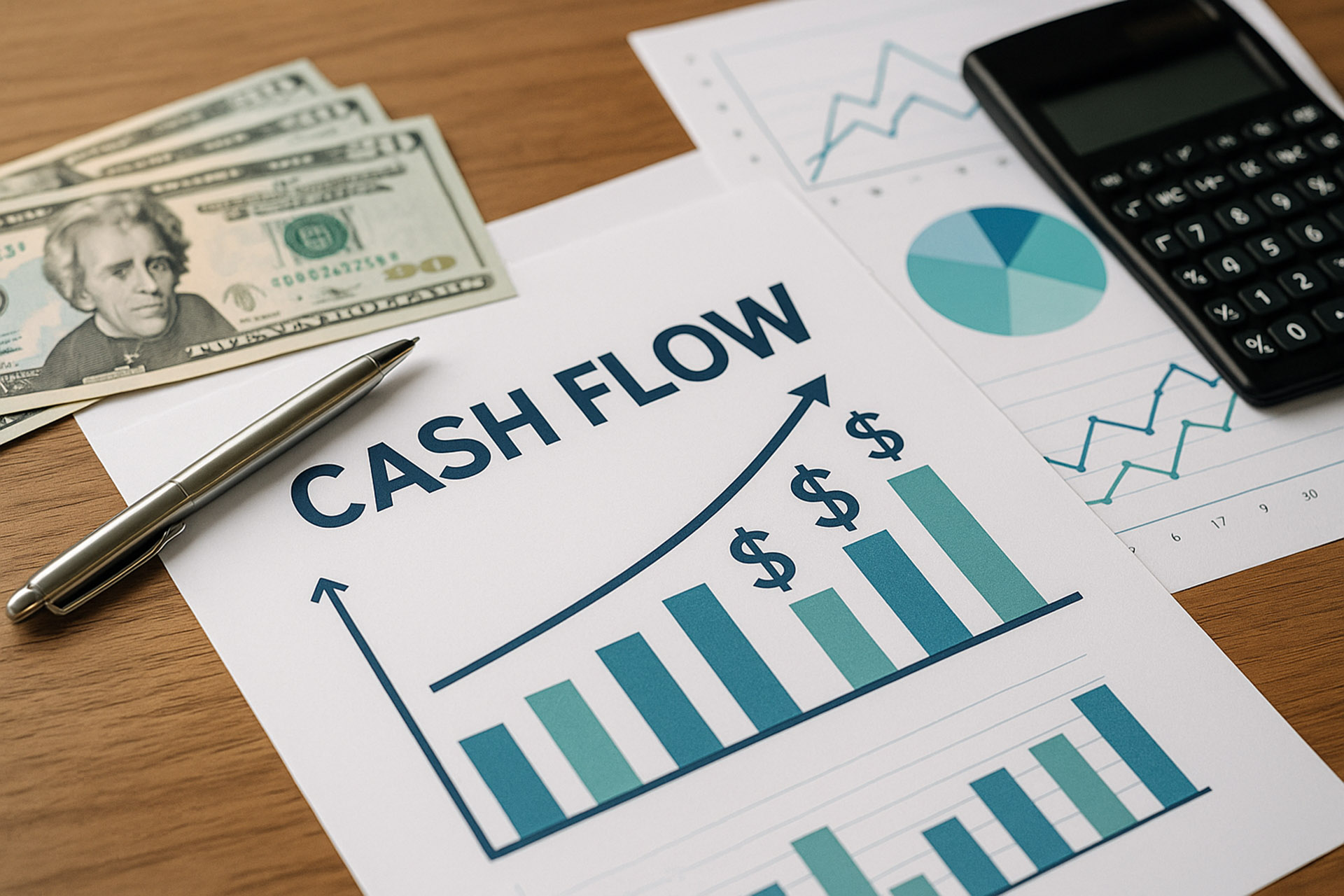
Rising interest rates, higher living costs, and stricter lending rules are putting pressure on Australian property investors. Too often, buyers get caught up in the excitement of owning a property, only to discover that the rent doesn’t even cover their costs. This is where understanding cash flow in real estate becomes critical. Strong cash flow helps you cover expenses, manage your mortgage, and keep your investment sustainable, while weak cash flow can quickly turn an asset into a liability.
In this blog, we’ll break down what cash flow is, show you how to calculate property cash flow in Australia, and share examples of good vs bad cash flow properties so you can make smarter, safer investment decisions.
What Is Cash Flow in Real Estate?
At its simplest, cash flow in real estate is the money left over after all the income and expenses from a property are accounted for.
- Positive cash flow means the rent covers all your costs — and leaves extra income in your pocket each month.
- Negative cash flow means your costs (like mortgage, insurance, rates, and maintenance) are higher than your rental income, leaving you to cover the shortfall yourself.
For Australian investors, cash flow isn’t just about short-term comfort — it’s about long-term sustainability. A property with consistent positive cash flow gives you breathing room to:
- Manage interest rate rises without stress
- Handle unexpected costs like repairs or vacancies
- Build a buffer for future investments
On the other hand, negative cash flow can sometimes be a deliberate strategy if capital growth potential is high, but it requires strong financial planning and risk tolerance.
Why Is Cash Flow Important in Property Investment?
For many Australians, the biggest challenge in property investing isn’t buying the property — it’s holding onto it. That’s where real estate cash flow becomes critical.
Here’s why it matters:
- Keeps your portfolio sustainable – Strong cash flow helps cover ongoing costs like mortgages, strata fees, and maintenance without dipping into your salary or savings.
- Protects against market shifts – When interest rates rise or rental demand softens, positive cash flow provides a buffer so you’re not forced to sell under pressure.
- Supports borrowing power – Lenders look at your existing portfolio’s performance. Properties with good cash flow can improve serviceability and make it easier to secure your next loan.
- Enables reinvestment – Extra cash each month can be reinvested into upgrades, paying down debt faster, or even funding your next purchase.
In short, cash flow in property investment is what allows you to stay in the game long enough to benefit from capital growth. Without it, even the best-located property can become a financial burden.
How to Calculate Cash Flow in Real Estate (and Why Most Investors Get It Wrong)
On the surface, working out cash flow seems simple: add up your rental income, subtract your expenses, and see what’s left. But in reality, property cash flow in Australia is far more complex.
Many investors forget to factor in the hidden costs that eat into returns, such as:
- Vacancy periods when the property sits empty.
- Strata fees or body corporate costs in apartments and townhouses.
- Unexpected repairs and maintenance, which can quickly pile up.
- Insurance premiums and property management fees that often rise each year.
Even small oversights can make a big difference. What looked like a “positively geared” property on paper can easily tip into negative cash flow once these costs are included.
Another common mistake is ignoring long-term financial impacts like rising interest rates, tax implications, or depreciation benefits. These factors can significantly change how your investment performs over time — and they’re rarely captured by basic online calculators.
This is why smart investors treat cash flow as more than just a quick sum. They see it as a strategic tool for assessing risk, planning ahead, and making sure each property aligns with their broader financial goals.
The key takeaway? Understanding the concept is important — but ensuring the numbers are accurate requires professional guidance. A tailored cash flow analysis can help you avoid costly surprises and make confident decisions about your next move.
Spotting Good and Bad Cash Flow Properties
A property that “looks cheap” or “has high rent potential” isn’t always a winner.
- Good cash flow property: Often found in areas with balanced supply and demand, such as suburbs with population growth and infrastructure upgrades. These properties deliver consistent rental income and fewer nasty surprises on expenses.
- Bad cash flow property: Typically in overhyped markets or in developments with too many investor-owned units. High turnover, vacancy periods, and unpredictable costs can turn what looked like a profitable purchase into a financial strain.
Understanding which side of the line a property falls on isn’t always obvious — and this is where professional insights make all the difference.
Conclusion
For Australian investors, the biggest risk isn’t buying the wrong property; it’s underestimating the cash flow that keeps it afloat. A property with strong, consistent returns gives you breathing space, protects against rising costs, and opens doors to future growth. Ignoring it, however, can leave you struggling to cover the basics. Success in real estate isn’t just about location or price; it’s about ensuring the cash flow works for you.
Cash flow can make or break your portfolio. Learn to spot the difference between risk and opportunity. Reach out to us for expert advice.
Contact the Inspired Property Group today!
TL;DR (Key Takeaways)
- Cash flow in real estate is the money left after covering property income and expenses.
- Positive cash flow keeps your investment sustainable; negative cash flow can create strain.
- Hidden costs like vacancies, maintenance, and strata fees often trip up investors.
- Strong cash flow protects against rising rates and supports long-term portfolio growth.
- Professional guidance helps ensure your numbers are accurate and your strategy is sound.
FAQ
It’s the money left after rental income covers all property expenses.
It keeps your investment sustainable and helps manage rising costs.
Add rental income, subtract expenses like mortgage, rates, insurance, and maintenance.
One with strong rental demand, low vacancy, and manageable expenses.
Yes, if it has strong long-term capital growth, but it carries higher risks.
0 Comments